
Simple Photography Tips for Beginners That Actually Make a Difference
If you've been searching for photography tips for beginners, chances are you've already fallen into the same trap most of us do when we're starting out. You scroll through social media, compare your work to photographers who've been doing this for years, and start wondering if you need a better camera, a new lens, or some secret formula to take beautiful photos.
The good news? You don't.
The truth is, the best photography tips for beginners usually have very little to do with gear and everything to do with learning how to see. Learning to notice light, to look for connection, and to trust yourself enough to keep practicing.
Hi, I’m Kelly, and I know what it's like to feel overwhelmed by all the advice out there. When you're first starting, it can feel like everyone is speaking a different language. But photography doesn't have to be complicated. Some of the biggest improvements happen when you focus on a few simple things and give yourself room to learn.
In this post, I'm sharing photography tips for beginners that can make an immediate difference in your images without requiring expensive equipment or years of experience.
And if you'd love more encouragement, practical guidance, and real behind the scenes insight as you grow, I'd love for you to stick around and follow along. Reach out here to connect!

Why You Don't Need Fancy Gear to Take Beautiful Photos
One of the most common misconceptions I hear from beginners is that better photos come from better equipment. Of course, professional gear has its place. But some of the most meaningful images I've ever seen weren't made with the newest camera on the market.
When you're first learning, your camera isn't the thing holding you back.
Learning how to use the gear you already have will take you much further than constantly chasing the next upgrade. In my experience, the photographers who improve the fastest aren't the ones buying the most equipment. They're the ones practicing consistently and paying attention to what works.
One of the most valuable photography tips for beginners is simply this: use what you have and learn it well.
The camera in your hands is enough to start.
Photography Tips for Beginners: Learning to See Light
If photography has a best friend, it's light. Learning to see light is one of the most important photography tips for beginners because light affects everything. It shapes mood, highlights connection, and helps guide the viewer's eye through an image.
Start paying attention to the light around you throughout the day. Notice how window light falls across your kitchen table in the morning. Watch how soft the light becomes in the evening. Look for open shade outside on bright days.
You don't need to understand every technical setting right away. Just begin noticing where the light is and how it changes the feeling of a photo. The more you practice seeing light, the more natural photography will begin to feel.
If you're wondering where to start, the Connected Client Workbook is a great next step. It's filled with thoughtful ways to create a client experience that feels genuine, intentional, and memorable, helping you build the kind of relationships that naturally lead to referrals and repeat clients.
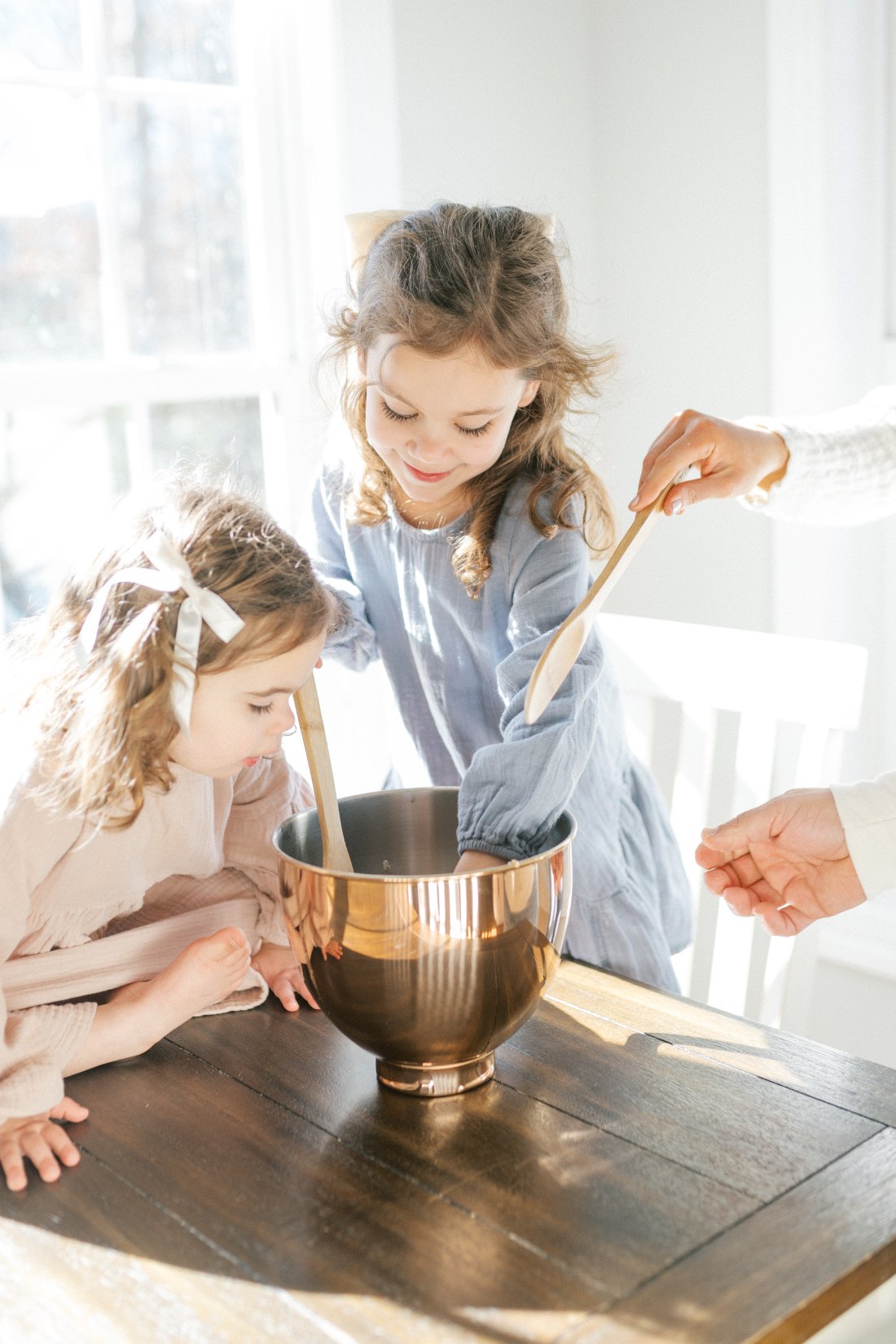
Capturing Connection Over Perfection
One thing nobody tells you when you're starting out is that people rarely remember whether a photo was technically flawless. What they remember is how it felt. That's why I always encourage beginners to focus on connection first.
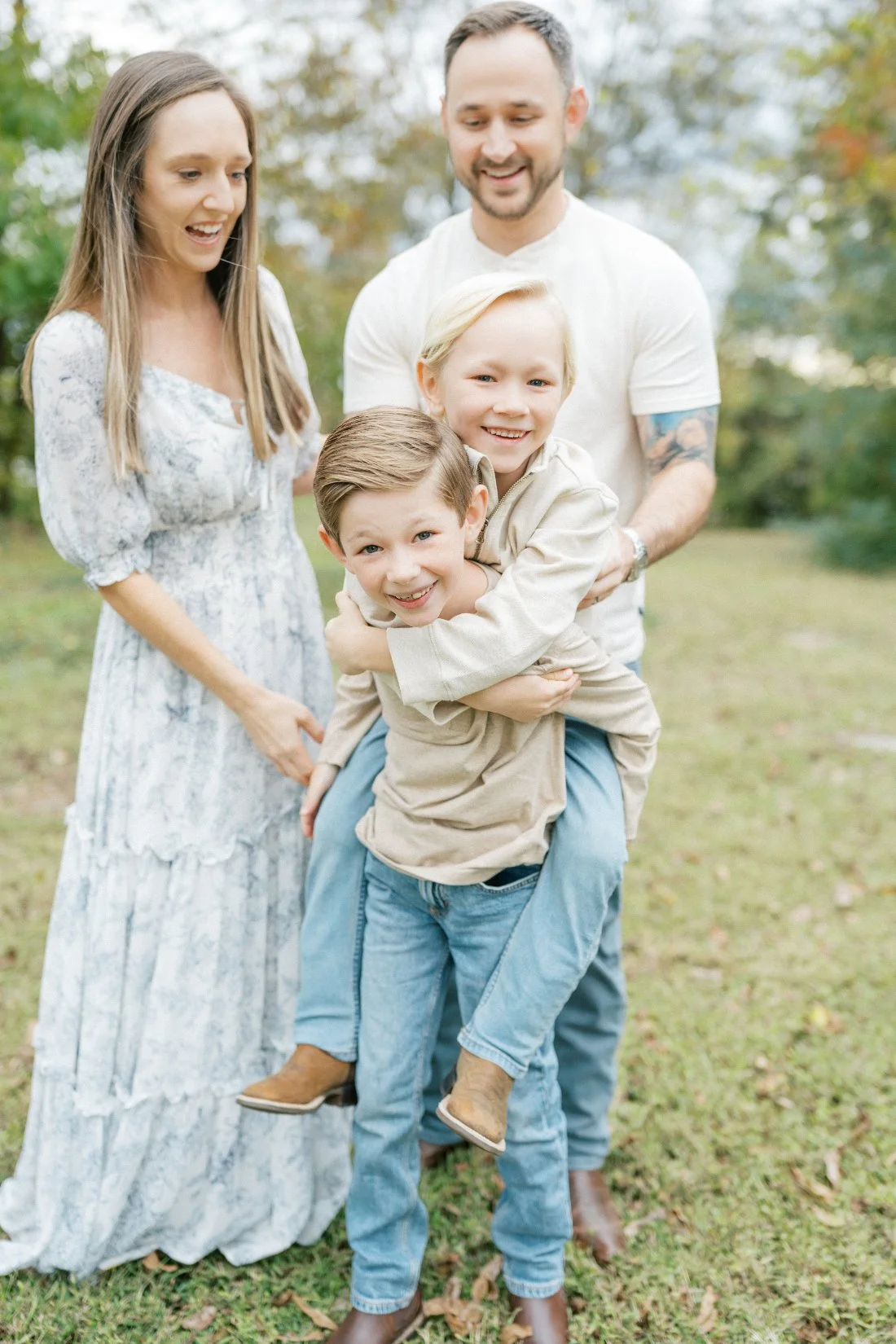
A child laughing so hard they can barely stand up.
A parent looking at their baby with complete tenderness.
Siblings being silly together in a way that only makes sense to them.
Those are the moments people hold onto.
One of my favorite photography tips for beginners is to stop chasing perfection and start looking for emotion. The photos that mean the most are often the ones that feel real. Because real life has always been more interesting than perfect poses.
The Secret to Natural, Joy Filled Photos
If you've ever wondered why some images feel effortless while others feel stiff, here's what I've found. People need something to do.
Instead of asking someone to stand perfectly still and smile at the camera, invite movement. Ask kids to run. Let siblings play. Encourage families to interact with each other.
When people are focused on connection instead of the camera, something shifts.
The smiles become genuine.
The laughter becomes real.
The image starts to feel like proof of the moment instead of a performance of it.
For anyone looking for photography tips for beginners, this simple shift can completely change your photos.
If you'd like a closer look at how I approach sessions, connect with families, and create an experience that feels easy and meaningful, take a peek at this blog where I share what it was like teaching at a photography retreat in Austin.
How to Get Comfortable Behind the Camera
Let's talk about the part that doesn't get mentioned enough. Feeling awkward.
Most beginners assume experienced photographers always feel confident. But confidence usually comes after practice, not before. The photographers you admire didn't start out knowing exactly what they were doing. They learned by showing up again and again.
The good news? You don't need elaborate shoots to build that confidence.
Some of the best practice happens right in the middle of everyday life. Photograph your morning coffee, your kids building forts in the living room, or the sunlight streaming through your favorite window.
These ordinary moments may not feel remarkable today, but they're often the images that grow more meaningful over time. One of the most valuable photography tips for beginners is to stop waiting until you feel ready. Confidence comes from picking up your camera, practicing often, and learning to see what's already right in front of you.
You don't have to have everything figured out before you start. You just have to show up.
Photography Tips for Beginners: Letting Go of "Perfect"
Perfection has a way of stealing the joy right out of photography.
When you're constantly worried about getting everything exactly right, it's easy to miss what's actually happening in front of you. Real life is messy. Kids move. People blink. Hair gets blown around by the wind.
And honestly, that's where some of the best photographs live. The chaos isn't getting in the way of the image. A lot of the time, it is the image.
When you let go of trying to control every detail, you create space for something more honest and meaningful to unfold.
If you're looking for more personalized support as you grow, My 1:1 mentoring is a space to find clarity, build confidence, and create a business that feels like yours again.

You Don't Have to Know Everything to Start
If you've been looking for photography tips for beginners, I hope this gives you a little more confidence to pick up your camera and keep going.
You don't need fancy gear. You don't need perfect conditions. And you definitely don't need to have everything figured out before you begin. You just need curiosity, consistency, and a willingness to keep learning.
Photography is less about getting everything right and more about learning to notice what's already in front of you. The light. The connection. The everyday moments that tell the story of this season.
Keep practicing. Keep making images. Keep trusting the process.
And if you'd love more photography tips for beginners, encouragement, and behind the scenes insight, I'd love for you to stay connected. Follow along, join my email list, follow along on Instagram, or just keep coming back here for more.
Future you will be grateful you kept going.